-
Continue reading →: Audemars Piguet through Porter’s Five Forces lens.
Audemars Piguet is often referred to as the “House of Wonders” due to its long-standing tradition of innovative designs and its exquisite craftsmanship. The company operates in a complex environment influenced by various competitive pressures. I will briefly explore it from the perspective of Porter’s Five Forces Analysis, examining the key factors…
-
Continue reading →: Breaking Down the Rolex Business Model Canvas
Rolex is renowned for being a top-tier luxury brand that excels in precision watchmaking. It’s one of the most recognized watch brands in the world. What sets Rolex apart is its dedication to quality craftsmanship, selective sales channels, and a loyal following. Additionally, innovative partnerships further enhance its reputation. By…
-
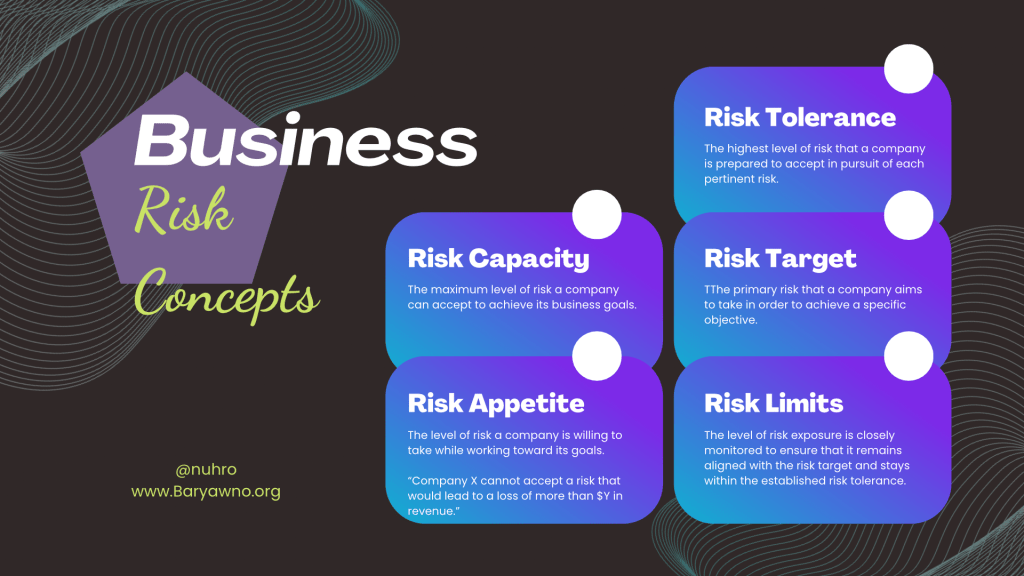 Continue reading →: Risk Management Concepts
Understanding the nuances of risk management involves recognizing the distinctions among key concepts such as risk appetite, risk capacity, risk limit, risk target, and risk tolerance. Each of these terms plays a crucial role in defining how an organization approaches risk and its overall strategy for managing it. Risk Appetite…
-
Continue reading →: Customer Experience (CX) Gap Analysis
What is a Customer Experience (CX) Gap? This concept focuses on the gap between what customers expect from a brand and what the brand delivers. It’s essential to understand what customers want, whether quality, service, or value, and how well the brand meets those expectations. Closing this gap is vital…
-
Continue reading →: The Go-To-Marketing Plan (GTM)
The Go-To-Marketing Plan (GTM) The Go-To-Market Plan is a comprehensive strategic framework designed to effectively introduce a product or venture to the marketplace and stimulate consumer demand. This plan involves a systematic approach encompassing various critical components, including market research, target audience identification, competitive analysis, and pricing strategies. It may…
-
Continue reading →: Market Sizing Approaches
Market sizing is a critical process that assists businesses in estimating the total potential for a product, service, or industry. By understanding market size, companies can gauge both current and future growth opportunities within a specific target market. This analysis is typically broken down into three key components: Total Addressable…
-
Continue reading →: Business Models to Consider
A business model serves as a framework that outlines how a company creates, delivers, and captures value. It details key operations, resources, and partnerships, as well as revenue streams and customer engagement strategies. By highlighting the company’s value proposition, target audience, and methods for delivering products or services, the business…
The Baryawno Insights
“Crafting Compelling Content, One Post at a Time!”
Hello,
I’m Nuhro

Welcome to my personal website! I am the Immunology Account Manager for AstraZeneca, where I cover the Health Systems in Metro NY within Rheumatology. I believe in the power of continued learning, always seeking new knowledge and experience to enhance my expertise and contribute meaningfully to my field and other areas of interest. Thank you for visiting!
 The Baryawno Insights